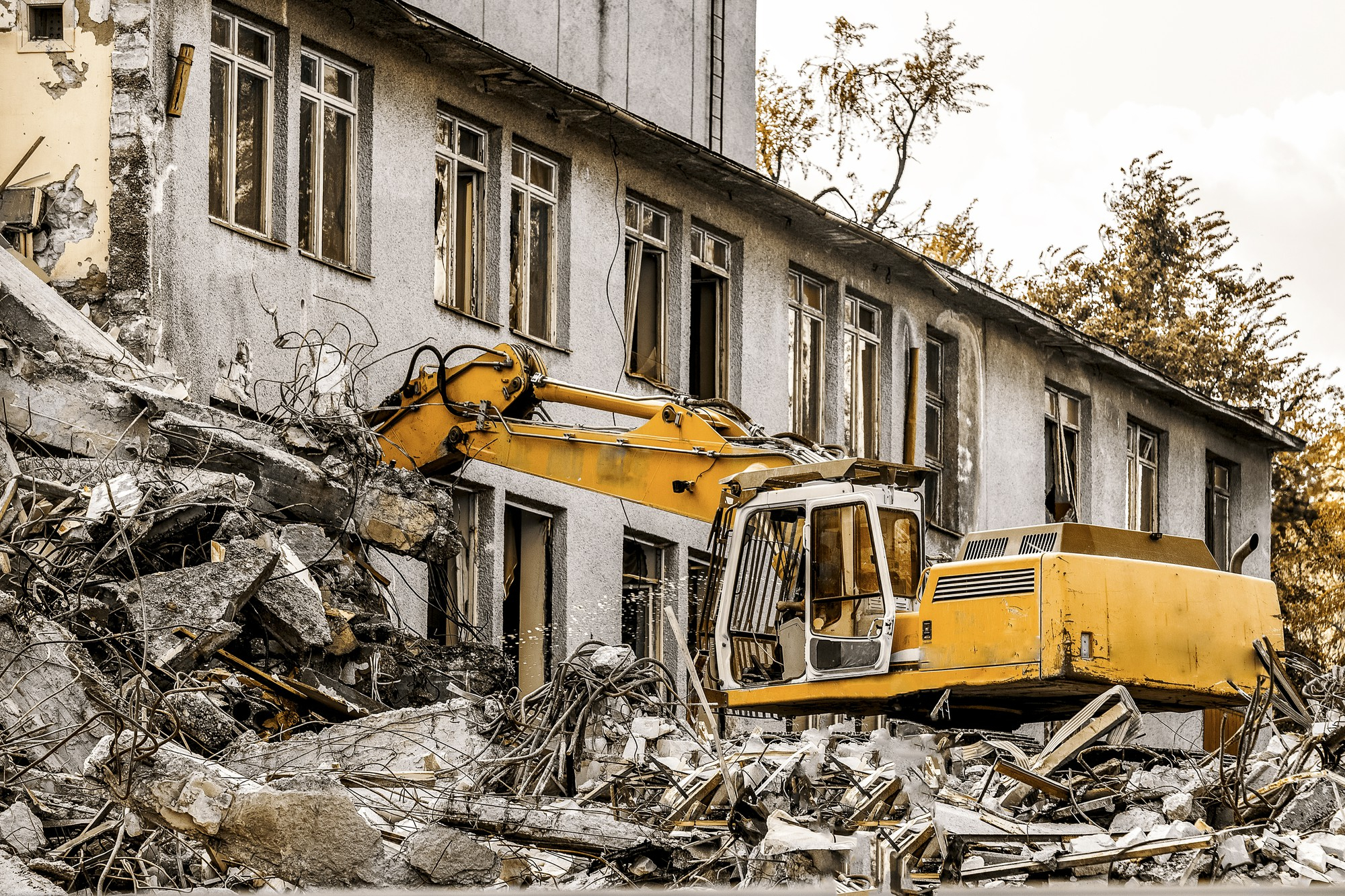
Sustainable Demolition: How We Recycle 90% of Materials on Every Job Site
Sustainable demolition is no longer optional for modern projects. Owners, developers, and municipalities increasingly prioritize waste reduction, lower carbon impact, and material recovery outcomes when selecting demolition partners.
Start with a Pre-Demolition Material Audit
Before equipment arrives, teams can identify recoverable concrete, steel, wood, asphalt, brick, and fixtures. This audit improves hauling plans and helps direct materials to recycling or salvage channels instead of landfills.
On-Site Separation Drives Better Recovery Rates
Mixed debris loads reduce recycling efficiency. High-performing crews separate material streams early and maintain dedicated staging zones for metal, concrete, wood, and reusable components. This improves diversion percentages and lowers disposal costs.
Sustainable demolition combines smart planning, disciplined field execution, and strong recycling partnerships to protect both budgets and the environment.
Where Most Recovered Material Goes
Concrete is often processed into aggregate for road base and construction use. Metals are sent to regional scrap processors for re-smelting. Clean wood can be repurposed, while select fixtures may be salvaged for reuse markets.
How Sustainability Supports Project Performance
Better diversion performance can support environmental goals, community relations, and project reporting requirements. For many commercial projects, recycling documentation also supports green building frameworks and owner ESG reporting.
Practical Steps for Property Owners
Request a documented waste diversion plan before project kickoff. Ask how materials will be separated, where they will be processed, and what reporting you will receive after completion. Clear accountability improves outcomes.
When sustainability is built into demolition strategy from day one, projects can reduce landfill dependency while maintaining safety and schedule reliability. The result is cleaner redevelopment and long-term value for communities.